Floral Corner Clipart Vector Design Review
As a designer who spends more time than I care to admit staring at stitch counts and fabric grain, I have learned that not every Illustrations category item translates well into the realm of physical craft. We often see beautiful Graphics online that look stunning on a screen but turn into a tangled mess once they hit the hoop. That is why I approach every new asset with a healthy dose of skepticism. Today, I am putting Floral Corner Clipart Vector Design through its paces, evaluating it not just as a digital file, but as a viable component for real-world embroidery projects.
The First Impression: Mood and Layout
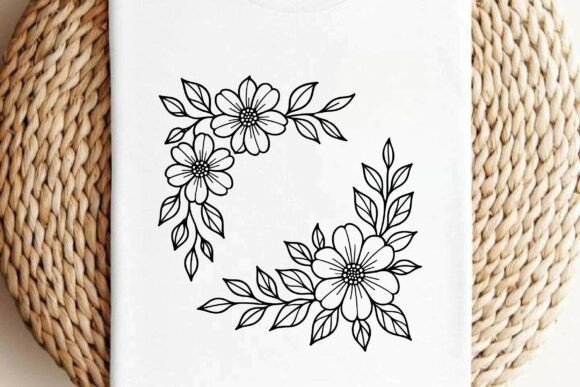
When you first load this machine embroidery design, the immediate takeaway is its structural integrity. Because it is categorized as a corner clipart vector, it possesses an inherent balance that many full-centerpiece designs lack. It feels intentional rather than accidental. The visual personality is elegant yet grounded, suggesting a product that leans towards boutique aesthetics rather than mass-market novelty.
The layout creates a natural frame. For a designer, this is crucial. It does not scream for attention in the center of the garment; instead, it whispers from the edge, inviting the eye to travel across the piece. This subtlety is what separates a hobbyist project from a professional handmade product. It suggests sophistication, making it an excellent candidate for branding where logo placement or subtle detailing is key.
Real-World Application: The Tote Bag Scenario
To truly test the viability of Floral Corner Clipart Vector Design, let us imagine a specific use case. You are preparing inventory for an upcoming craft fair or refreshing your Etsy shop. You decide to create custom canvas tote bags featuring minimalist floral accents. This is a high-volume, low-complexity strategy that many Etsy seller owners rely on.
Here is how the design performs in this scenario. Placing the corner clipart on a sturdy cotton canvas allows the stitches to sit flat and crisp. The design’s structure works harmoniously with the bag’s geometry. When a customer picks up the bag, they notice the detail immediately. It elevates the perceived value of the item. A plain tote is a commodity; a tote with a carefully placed, high-quality embroidery project like this becomes a fashion accessory. The design adds a touch of personalization without overwhelming the utility of the bag.
This same logic applies to other items. Imagine this design on the cuff of a sweatshirt, the hem of a baby onesie, or the corner of a linen tea towel. In each instance, the Floral Corner Clipart Vector Design acts as a finishing touch that signals quality. It tells the buyer that someone cared about the details.
Apparel and Home Decor Versatility
Beyond totes, this asset proves its worth in diverse categories:
- Custom Apparel: On denim jackets or hoodies, the corner placement avoids the discomfort of a large central print while still offering brand visibility.
- Nursery Decor: For baby clothes or crib bumpers, the soft floral theme fits perfectly within the gentle aesthetic parents seek for baby embroidery.
- Kitchen Textiles: Tea towels and aprons benefit from the corner layout, keeping the main workspace clear while adding charm.
- Holiday Gifts: During peak seasons, this design can be quickly adapted for Christmas stockings or New Year’s Eve pillows, serving as a reliable holiday embroidery staple.
Technical Considerations and Stitch Quality
From a technical standpoint, the success of any embroidery file depends on how well it handles different materials. With Floral Corner Clipart Vector Design, we must consider stitch density and thread contrast. Because it is a vector-based source, the lines should remain clean, but the translation to stitch type matters.
I recommend analyzing how the design utilizes satin stitches versus fill stitches. Satin stitches are ideal for outlining the delicate petals and leaves, providing a smooth, reflective surface that catches the light. Fill stitches may be used for heavier foliage, but caution is advised. If the stitch density is too high, the fabric may pucker, especially on lighter materials. Always inspect the small details. Do the tiny stems hold their shape? Are the curves smooth, or do they appear jagged due to low-resolution stitching?
Thread color selection is equally important. Since this is a digital product provided in a ZIP folder, you will likely receive multiple colorways. Test these against your intended fabric. A dark floral design on black fabric might get lost, whereas a pastel palette on white linen will pop beautifully. Using a black-and-white mockup during the planning phase can help you visualize contrast before you commit to thread.
Where to Exercise Caution
No design is universally perfect. There are specific scenarios where Floral Corner Clipart Vector Design requires careful handling or should be avoided entirely.
- Small Hoop Sizes: If the design contains intricate internal details, attempting to shrink it down for a 4x4 hoop may result in a loss of clarity. Ensure the smallest elements are distinguishable after stitching.
- Textured and Stretchy Fabrics: Avoid using this on highly textured fabrics like bouclé or stretchy knits without proper stabilization. The distortion can ruin the geometric precision of a corner clipart.
- Curved Surfaces: While corners work well on flat surfaces, applying this to curved items like baseball caps requires precise digitizing to ensure the design lays flat against the curve.
- Dense Stitch Areas: If the design includes heavy fill areas, be mindful of washability. Frequent washing can cause dense embroidery to mat down, losing its visual impact over time.
Practical Designer Notes for Success
Before you rush to produce a batch of commercial embroidery goods, follow these practical steps to ensure professionalism:
- Test on Scrap Fabric: Never assume the final result will match the preview. Stitch the design on the exact fabric you plan to use. Check for puckering, thread breaks, and alignment issues.
- Check Stabilizer Choice: Use the appropriate stabilizer for your fabric weight. A lightweight cut-away stabilizer is often best for delicate flowers to prevent shifting.
- Inspect Small Details: Zoom in on the digital file. Are there tiny elements that might disappear when stitched? If so, consider simplifying the design or adjusting the scale.
- Confirm Licensing: As a small shop product creator, you must verify the license terms. Does the purchase allow for commercial use of the finished items? This is critical for craft business owners selling on platforms like Etsy.
- Create Printable Mockups: Use the design to generate high-quality printable mockup images for your listings. Showing the design on various products helps customers visualize the finished product.
Final Verdict
Floral Corner Clipart Vector Design is a versatile, aesthetically pleasing asset that bridges the gap between digital art and tangible craft. Its strength lies in its subtlety and adaptability. It enhances personalized gifts and custom apparel without dominating them. For designers looking to add a touch of elegance to their design assets, this is a strong contender.
However, remember that the quality of the final output depends heavily on your execution. Proper machine setup, fabric choice, and attention to detail are non-negotiable. By treating this design with the respect it deserves, you can create embroidered patches, home decor, and accessories that stand out in a crowded market. It is not just a file; it is a tool for building brand consistency and customer trust. Use it wisely, and it will serve your creative vision well.